Get Mold Testing in Jacksonville, FL
Mold testing services for Jacksonville homeowners identify mold growth and moisture issues in residential or commercial properties, helping address health concerns and property damage.
If you’re a property owner in Jacksonville, FL, considering a mold inspection, you’re in the right place to explore your options. Mold testing can be an important step in maintaining a healthy indoor environment, especially in a climate that can promote moisture buildup. Whether you’re preparing for a renovation, addressing concerns about lingering odors, or simply want to ensure your home is safe, comparing local service providers can help you find the right expertise for your project.
This process allows you to evaluate the services offered by various local contractors who specialize in mold testing. Understanding the scope of work and the methods used can help you plan your property maintenance or improvement projects more effectively. Keep reading to learn how to connect with qualified professionals in Jacksonville, FL, who can assist with your mold testing needs.
- Residential Mold Testing - needed when homeowners in neighborhoods like Riverside or San Marco suspect mold growth after water damage or leaks.
- Commercial Mold Testing - essential for businesses in office buildings or retail spaces to ensure indoor air quality and safety.
- Attic and Basement Mold Inspection - recommended when damp conditions or poor ventilation lead to mold development in these areas.
- Post-Remediation Mold Testing - important after mold removal to confirm that the space is safe and mold has been effectively eliminated.
- Air Quality Testing - useful for identifying airborne mold spores in homes or workplaces, especially in humid or poorly ventilated areas.
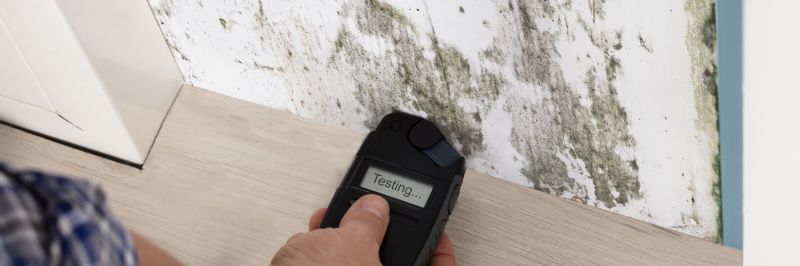
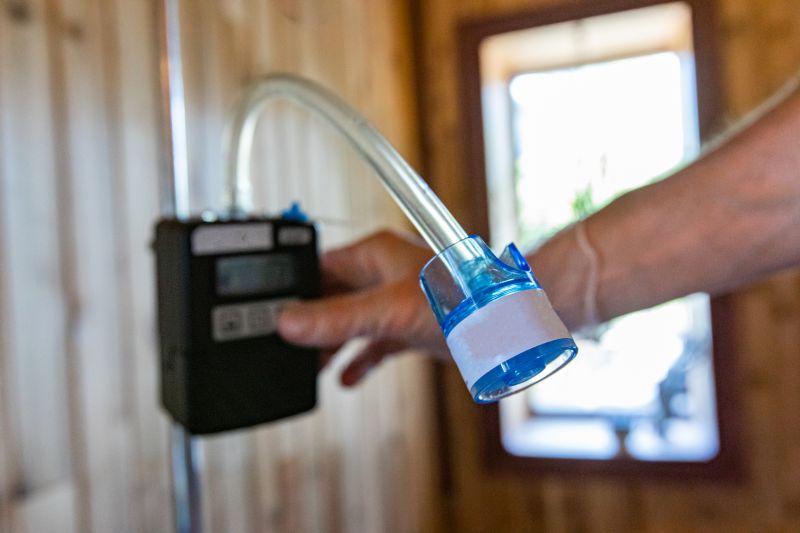
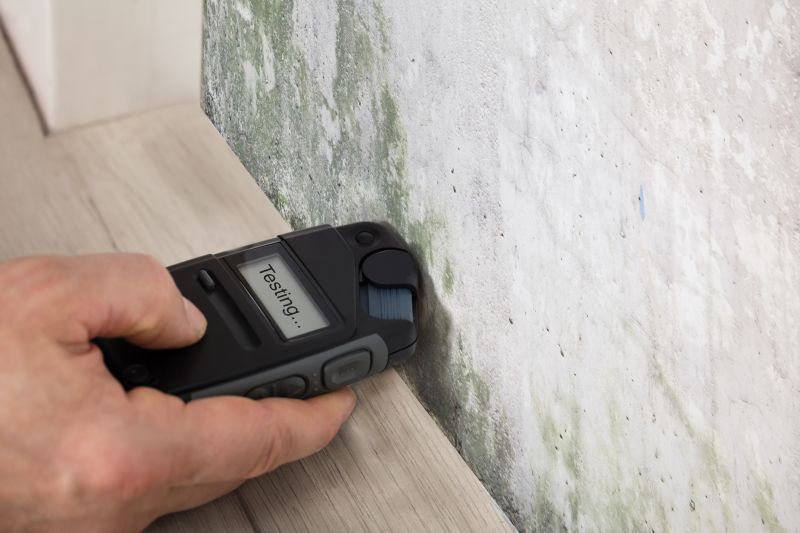
Mold testing services involve inspecting indoor spaces to identify the presence of mold spores and determine their types and concentrations. These services typically include collecting air, surface, or bulk samples from various areas within a property. The samples are then analyzed in a laboratory to detect mold growth that may not be visible to the naked eye. This process helps homeowners understand if mold is present, how extensive the contamination might be, and whether it could pose health concerns or structural issues.
Mold testing is often sought when there are signs of moisture problems, such as persistent musty odors, visible mold growth, or unexplained allergic reactions among residents. It can also be useful after water damage, flooding, or leaks, to ensure that mold has not begun to develop in hidden areas like behind walls or under flooring. Identifying mold early helps prevent potential health problems, such as respiratory issues or allergic responses, and can protect the integrity of a property by addressing hidden growth before it causes significant damage.
Properties that commonly utilize mold testing include residential homes, especially those with recent water damage or high humidity levels, as well as multi-family buildings, apartments, and condominiums. Commercial buildings, offices, and retail spaces may also require testing if mold is suspected or reported. Additionally, property managers and landlords often rely on mold testing to maintain healthy environments for tenants and to confirm that remediation efforts have been successful after mold removal work.
Homeowners should consider mold testing if they notice unexplained health symptoms, persistent odors, or visible mold growth that cannot be easily cleaned. It is also recommended after any water intrusion incidents, such as leaks or flooding, to ensure mold does not develop in hidden areas. By connecting with experienced service providers, property owners can gain clarity about mold issues and determine the appropriate steps for remediation or further investigation, helping to maintain a safe and healthy living environment.
The overview below groups typical Mold Testing projects into broad ranges so you can see how smaller, mid-sized, and larger jobs often compare in Jacksonville, FL.
In many markets, a large share of routine jobs stays in the lower and middle ranges, while only a smaller percentage of projects moves into the highest bands when the work is more complex or site conditions are harder than average.
Basic Mold Testing - typical costs range from $250 to $600 for many smaller or routine tests, which cover common areas of concern. Most projects fall within this range, especially for single-room assessments or small properties.
Comprehensive Mold Inspections - these more detailed evaluations usually cost between $600 and $1,200, depending on the size of the property and the number of samples needed. Larger homes or complex environments may push costs higher but are less common.
Specialized Testing for Hidden Mold - advanced testing methods, such as air quality analysis or testing behind walls, can range from $1,200 to $3,000. Many projects in this category are larger or more complex, with fewer cases reaching the upper end of the range.
Full Mold Remediation Assessment - when testing is part of a larger remediation plan, costs can vary widely from $1,500 to over $5,000, depending on the extent of the mold problem. Larger, more involved projects tend to fall into the higher end of this spectrum.
Actual totals will depend on details like access to the work area, the scope of the project, and the materials selected, so use these as general starting points rather than exact figures.
Indoor Air Quality Testing - local contractors use similar sampling and analysis techniques to identify airborne contaminants, including mold spores, in residential or commercial spaces.
Water Damage Restoration - professionals assess moisture levels and perform remediation, which often involves detecting hidden mold growth caused by water intrusion.
Asbestos Inspection Services - these projects require careful sampling and analysis of building materials, similar to mold testing procedures for identifying hazardous substances.
Radon Testing Services - testing for radon involves air sampling methods that share tools and planning strategies with mold spore detection in indoor environments.
Structural Damage Assessment - evaluating building integrity after water or fire damage involves inspecting for mold and moisture issues that can compromise structural safety.
HVAC System Inspection - service providers examine ventilation systems to identify mold buildup or airborne pollutants affecting indoor air quality.
When comparing service providers for mold testing, it’s important to consider their experience with similar projects. Homeowners should look for local contractors who have a proven track record of handling mold testing in residential environments similar to their own. An experienced pro will understand the specific challenges that can arise in homes within Jacksonville, FL, and nearby areas, ensuring that the testing process is thorough and accurate. Asking for details about their past work with comparable homes or situations can help gauge their familiarity with local conditions and common issues.
Clear, written expectations are essential when choosing a mold testing service. Homeowners should seek providers who can offer detailed descriptions of what the testing process involves, what the results will include, and any follow-up recommendations. Having this information in writing helps prevent misunderstandings and ensures everyone is aligned on the scope of work. It’s also beneficial to confirm that the service provider’s approach complies with local regulations and standards, providing peace of mind that the testing will be conducted properly.
Reputable references and effective communication are key factors in selecting a reliable mold testing professional. Homeowners can request references from previous clients who had similar testing needs and inquire about their experiences. Good communication from the service provider-such as responsiveness, clarity, and transparency-can make the process smoother and more straightforward. It’s important to remember that the website introduces homeowners to local options; it does not perform the testing itself. Connecting with reputable, experienced, and communicative service providers can help ensure the testing process is conducted properly and that the homeowner receives trustworthy information about potential mold issues.
Property owners in Jacksonville, FL use Mold Testing services for practical projects around their homes and businesses. This guide focuses on everyday jobs and straightforward project options.
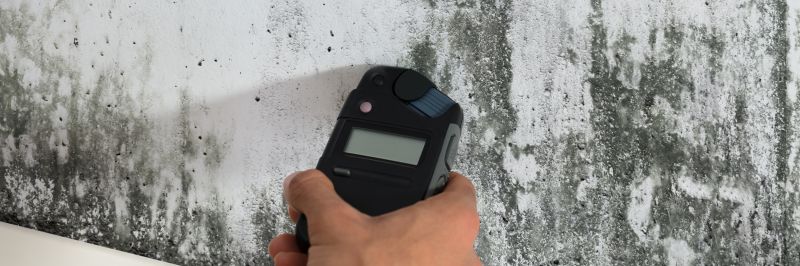
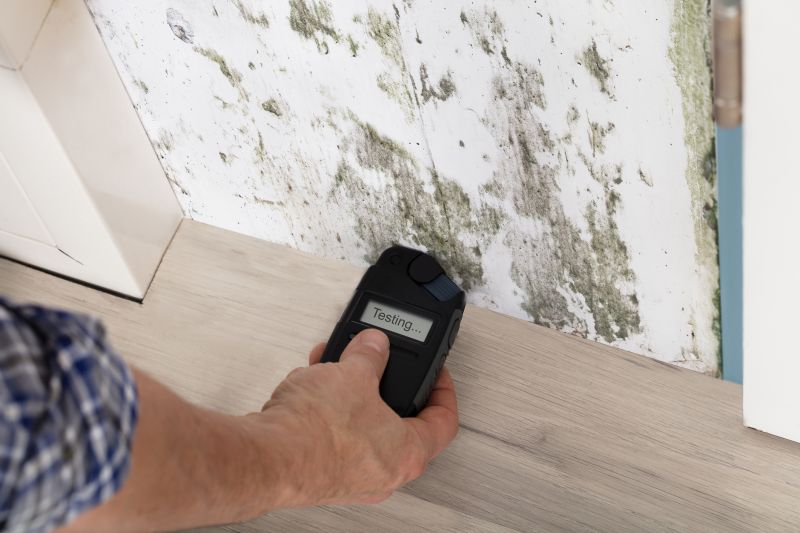
Mold testing services are often sought by property owners in Jacksonville, FL, who notice signs of mold growth such as a musty odor, visible spots, or increased allergy symptoms among residents. Homeowners and landlords may also consider testing when preparing to sell or rent a property, aiming to identify hidden mold issues that could affect health or property value. Additionally, those who have experienced water damage from storms or leaks might turn to local contractors to assess whether mold has developed in concealed areas like behind walls or under flooring.
In many cases, property owners look for mold testing when undertaking renovation projects or remodeling efforts in Jacksonville homes. Identifying mold early can prevent more extensive damage and help ensure a safe living environment. Whether dealing with a recent flood, ongoing humidity issues, or concerns about hidden mold growth, local service providers can offer testing solutions tailored to the specific needs of homeowners and property managers in the area.
What is mold testing? Mold testing involves collecting samples from your property to identify the presence and type of mold spores, helping determine if mold is affecting indoor air quality.
Why should I consider mold testing? Mold testing can reveal hidden mold growth that may cause health issues or property damage, guiding appropriate remediation efforts.
How do local contractors perform mold testing? Certified service providers use specialized equipment to collect air and surface samples, which are then analyzed to detect mold presence and concentration.
What areas are typically tested during mold inspections? Common testing locations include basements, bathrooms, kitchens, and areas with visible mold or persistent moisture problems.
Can mold testing determine if my property is safe? Testing can identify mold issues, but determining safety levels often requires expert interpretation and further assessment by qualified professionals.
Identify hidden mold issues in the home - property owners can use mold testing to detect unseen mold growth behind walls or under floors before it becomes a bigger concern.
Ensure indoor air quality is safe - testing services help determine if mold spores are affecting air quality, especially after water damage or flooding incidents.
Verify the effectiveness of mold remediation - after cleaning or remediation, testing can confirm whether mold has been successfully removed from a property.
Assess mold risk during property inspections - homebuyers and owners can use testing to evaluate potential mold problems during routine inspections or before purchasing a property.
If you are thinking about Mold Testing for a property in Jacksonville, FL, this guide is meant to help you understand the work, the typical project types, and how different options might fit your plans.
When you are ready, you can use the quote form on this page to share a few details about your project. From there, local pros can review the basics and respond with options that match what you have in mind.